
 Reviewed by
Savvy business owners are now embracing a multi-channel selling strategy to meet customers where they are and stay top of mind. Today’s shoppers are searching everywhere—scrolling through social media, browsing marketplaces, and more. There’s no better time than now to expand into multiple ecommerce sales channels and unlock new revenue streams.
But which channels are the best fit for your store? In this article, we’ll help you understand your options, choose the right channels, and introduce you to tools that make growing easier.
What Are Ecommerce Channels?
Ecommerce sales channels are platforms that allow you to list, sell, and promote your products to potential customers. Some common examples are social media platforms and marketplaces like Amazon and eBay.
Instead of relying on just one platform, many store owners today leverage multiple channels to reach new audiences and increase visibility. These channels allow you to:
- Unlock new revenue streams: Listing in more channels opens more opportunities to get discovered, which often leads to higher conversions.
- Adapt to changing customer behaviors: Modern customers use many types of sales channels before making a final purchase decision. Being present throughout the buying journey helps your brand stay top of mind.
- Gain valuable insights: Different platforms give you valuable data about how your customers shop and what they prefer. This information will help optimize your marketing strategy moving forward.
Best Ecommerce Sales Channels For Your Business
Each of the channels below offers key benefits for your business, depending on your niche and goals. Let’s walk through each of them to help you decide which best fits your store.
1. Your own ecommerce website
Among all sales channels, your ecommerce website gives you the most control, customization, and flexibility. It’s the foundation of your presence online, letting you showcase your products, build customer relationships, and create a branded online shopping experience.
Having an ecommerce website also supports your long-term marketing and visibility goals. You can publish content to strengthen SEO, integrate with email marketing tools, and even launch your own loyalty program to improve customer retention.
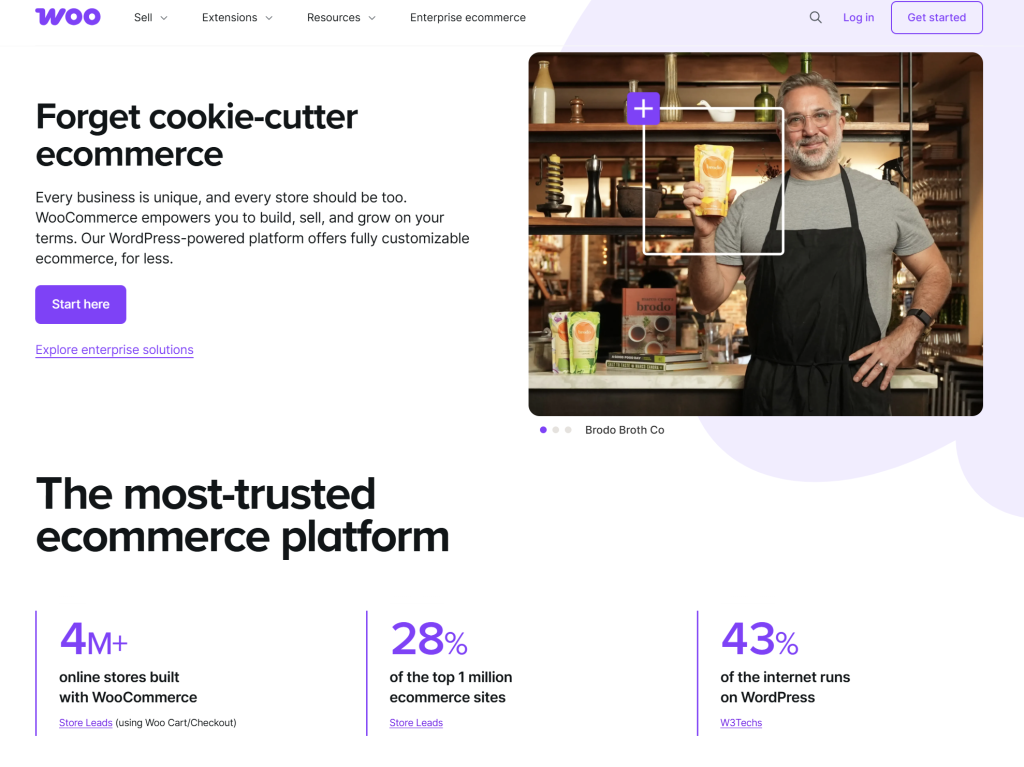
Most store owners use platforms like WooCommerce (WordPress-powered) to launch their online store. You can design your layout, install plugins to enhance functionality, and manage your entire catalog and store data in one place.
💡 Best for: Store owners who want full control over their brand, customer experience, and long-term growth. Ideal for those focused on building a direct, loyal customer base.
2. Online marketplaces
Online marketplaces are third-party platforms that let you list and sell products alongside other sellers. Popular examples include Amazon, eBay, Walmart Marketplace, and Etsy.
These platforms already have a massive audience, which is a huge advantage for growing brands. In fact, according to an industry report, 57% of U.S. customers start their online shopping search on Amazon. Showing up on popular marketplaces like these is one way to increase your brand’s reach.
The trade-off? Most online marketplaces charge listing fees or commissions, and you have less control over branding, customer data, and the overall checkout experience.
💡 Best for: Marketplaces are perfect for businesses that want to boost product visibility quickly and reach larger audiences. They work well for businesses selling physical products, high-demand items, and products that are easy to compare, such as electronics, home goods, accessories, and handmade items.
3. Social commerce
Social commerce is the use of social media platforms like Facebook, Instagram, and TikTok to promote and sell products.
The way customers use these platforms has shifted beyond connecting with friends. They now use them to research, discover, and shop. In fact, according to a recent report by Hostinger, 82% of shoppers use social media for product discovery and research. That’s another opportunity to get discovered.
Most platforms have adapted by allowing store owners to set up virtual storefronts, tag products in posts, and even offer in-app checkout for a seamless buying experience. You can also use product feeds (more on this later!) to submit your listings and keep your catalog updated across multiple platforms.
💡 Best for: Businesses in niches like fashion, beauty, wellness, or home goods perform well in social media. It’s also one of the best ecommerce sales channels for growing brand awareness and customer engagement.
4. Comparison shopping engines
Comparison shopping engines (CSEs) are platforms that allow customers to compare products from different brands all in one place. Some of the most common examples include Google Shopping, Bing Shopping, and Shopzilla.
Listing on these websites can help your business capture strong buying intent. Customers on CSEs are already actively searching for specific products and weighing their options. Showing up at this crucial stage in the buying journey increases your chances of being discovered.

To showcase your products on these platforms, you’ll need to submit product feeds that include information like titles, prices, descriptions, and stock status. Plugins like AdTribes make this process a lot easier by offering pre-made product feed templates for each platform, saving you time and effort.
💡 Best for: Store owners with competitively priced products or multiple variations. Great for electronics, gadgets, household essentials, and niche items that people actively search for and compare.
5. Affiliate sales channels
Affiliate sales channels leverage a network of partners (affiliates) who promote your products on their blogs, websites, or content in exchange for a commission. In this arrangement, you only pay when a sale is made through your affiliate’s unique tracking link, making it a low-risk way to drive traffic and sales.
Some store owners run their own affiliate programs, while others join popular affiliate networks like AWIN or Rakuten. These platforms allow you to track affiliates and manage commissions. Most store owners combine affiliate marketing efforts with other ecommerce sales channels to boost visibility and increase referral traffic.
💡 Best for: Stores looking to grow through word-of-mouth and influencer partnerships. Affiliate sales work especially well for brands in health, beauty, tech, and fashion, where products can be reviewed, demonstrated, or featured in expert roundups and content.
6. AI commerce
AI is becoming deeply integrated into the purchase journey, as more shoppers use it to research and guide their shopping decisions. According to a recent industry survey, more than 60% of shoppers have used AI tools like ChatGPT or Gemini to help them shop online.
Ensuring that your listings are discoverable by AI tools can help you stay ahead of this shift. This includes optimizing your product content with clear titles, rich attributes, well-structured descriptions, and up-to-date stock information. This will make your listings easier for AI tools to summarize, understand, and recommend when shoppers ask related questions.
With tools like AdTribes, you can create OpenAI product feeds to take this a step further. These feeds allow your WooCommerce products to be formatted in a way that’s more AI-friendly, increasing the chances of being recommended by AI tools like ChatGPT.
💡 Best for: Store owners who want to future-proof their visibility and stay ahead of ecommerce trends. Especially valuable for businesses already investing in SEO, structured product data, or chatbot-driven customer experiences.

How AdTribes Helps You Sell Across Ecommerce Sales Channels
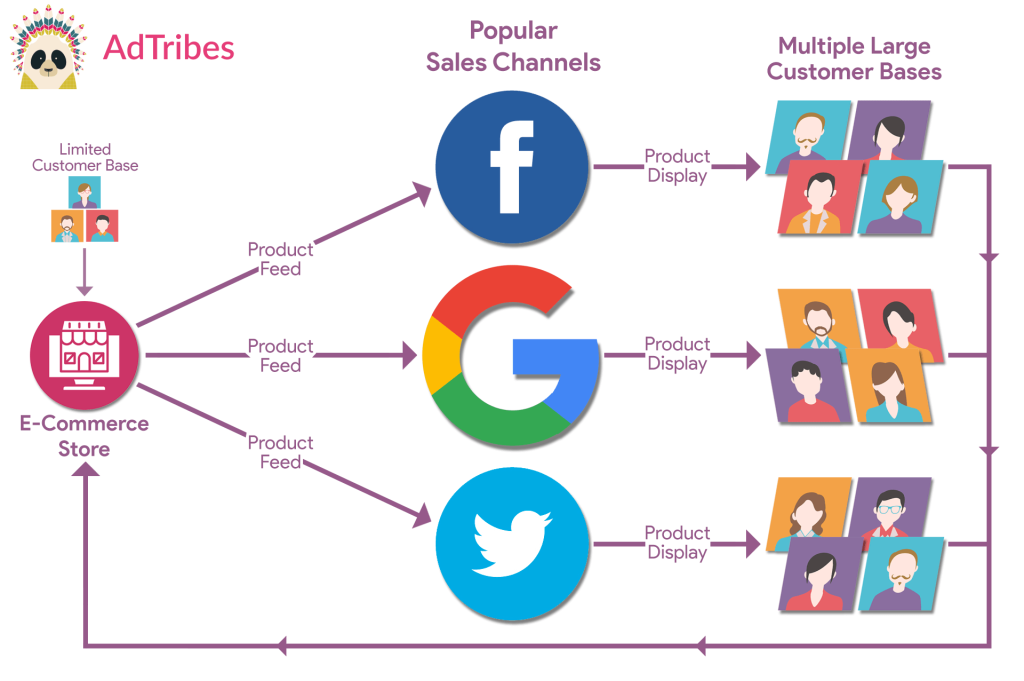
Adopting a multi-channel selling strategy can seem overwhelming, considering the number of channels available today. AdTribes makes it simple and easy to start! With this powerful WooCommerce plugin, you can create, manage, and automate product feeds for over 100 ecommerce sales channels.
This powerful plugin allows you to:
- Create customized product feeds for each platform using pre-built templates
- Automate feed updates to reflect real-time changes in price, stock, and product info
- Support niche and global channels, giving you more flexibility as you expand
- Use advanced filtering and rule-based logic to fine-tune what products get sent where
- Tap into AI-powered commerce with our OpenAI product feed feature
New to product feeds? Check out our full beginner guide here!
Frequently Asked Questions
What are examples of sales channels?
Ecommerce sales channels allow you to list, promote, and sell your products online. Common examples include marketplaces like Amazon or eBay, social commerce platforms like Instagram and TikTok, comparison shopping engines like Google Shopping, and even your own ecommerce website. Each channel offers unique benefits, depending on your business goals.
How do I choose the best ecommerce sales channels for my products?
Start by reviewing your niche, product type, audience, and business goals. Where do your ideal customers shop? If your products are highly trendy or visual, social commerce platforms can be a great fit. If your pricing is competitive or your products fall into common categories (like household items or electronics), marketplaces and comparison shopping engines are great options.
Which channel is best for new businesses?
For most new businesses, starting your own ecommerce website (such as a WooCommerce store) is a great move. This platform allows you to fully customize your brand, control the online customer experience, and manage your product catalog. After building your website, you can then expand to additional ecommerce sales channels like marketplaces, social media platforms, and comparison sites to reach more customers and bring more traffic.
Wrapping Up
Being present in the right ecommerce sales channels can work wonders for your reach, visibility, and conversions. Today’s business owners are embracing a multi-channel selling strategy to reap these advantages. In this guide, we covered:
- What ecommerce channels are and why they matter
- The top ecommerce sales channels to consider, including:
- How product feeds help
Plugins like AdTribes make expanding your reach a lot easier. With this tool, you can create product feeds and showcase your products for over 100 channels, including Google Shopping, Facebook, TikTok, and even AI tools like ChatGPT. It’s one of the smartest ways to grow across multiple sales channels.
We hope this article helped out!